
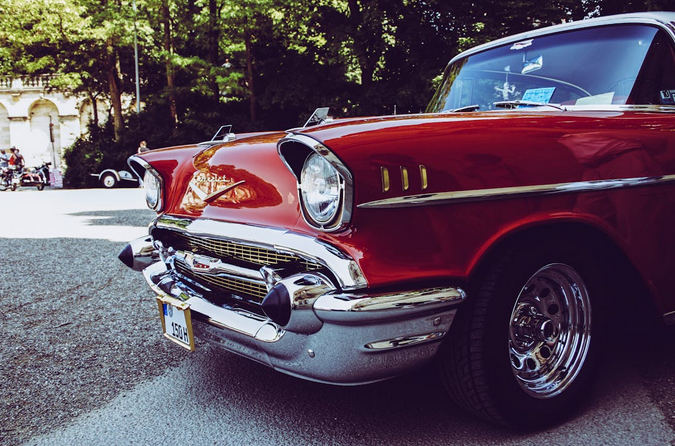
For any classic car owner, preserving the beauty and functionality of their vehicle is not just a hobby; it’s a passion. Classic cars, with their timeless designs and engineering, require special care to maintain their appeal. From rust prevention to engine maintenance, keeping your classic car in top condition is crucial. To get a better insight into this, Alex Manos of Beverly Hills Car Club shares valuable advice.
Regular Maintenance
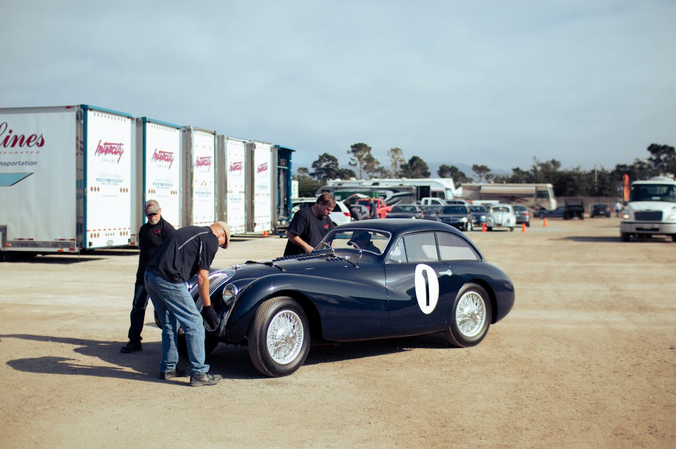
Classic cars may be a work of art, but they also require regular maintenance to run smoothly. The first step in preserving your car is establishing a routine for checking the key components, such as the engine, brakes, and transmission. Regular oil changes, tire rotations, and brake inspections will help prevent wear and tear. Classic cars, especially older models, are prone to parts degradation due to their age. Routine checks, performed every few months, will keep your car in working order and help identify any potential issues before they become major problems.
Proper Storage Practices
One of the most important factors in preserving your classic car is proper storage. Keeping it in a climate-controlled garage can prevent damage caused by extreme temperatures, humidity, or dust. Exposure to the elements can cause rusting, fading, or cracking of components, especially in vintage models. Always cover your car with a high-quality car cover to protect it from dust and debris. Additionally, storing your car on jack stands can help prevent flat spots on the tires from prolonged periods of inactivity.
Rust Prevention and Treatment

Rust is a classic car owner’s worst enemy. Over time, rust can eat away at a car’s body, ruining its structure and appearance. To prevent rust from taking hold, regular cleaning and waxing are crucial. Be sure to wash your car thoroughly to remove dirt, salt, and other contaminants, especially after driving in wet or salty conditions. If you live in an area with high humidity, consider applying a rust inhibitor to exposed metal parts. If rust spots do appear, don’t wait. Address them immediately by sanding and priming the affected areas to prevent further damage.
The Interior
The interior of your classic car deserves just as much attention as the exterior. Leather seats, dashboards, and upholstery require special care to maintain their original look. Regular cleaning with appropriate products will help preserve the materials without causing deterioration. Use a gentle cleaner on the leather seats, followed by a conditioner to keep them soft and supple. For fabric seats, a vacuum and gentle fabric cleaner will do wonders. If you want to go the extra mile, consider installing sunshades to protect the interior from UV damage.
Engine and Mechanical Care
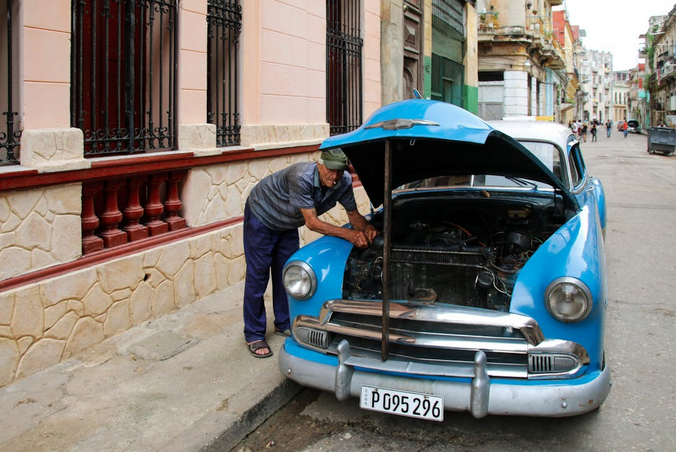
Classic car engines are built to last, but they need the right care. One of the first things to check is the coolant level. A car that runs too hot can suffer from engine damage, so make sure the coolant is topped up regularly and replaced as per the manufacturer’s recommendations.
Additionally, classic cars often have carburetors instead of fuel injectors, so they require more frequent adjustments. Regularly clean and maintain the carburetor to ensure the car runs efficiently. Also, check the battery and replace it when necessary. Batteries in classic cars don’t last as long as modern ones.